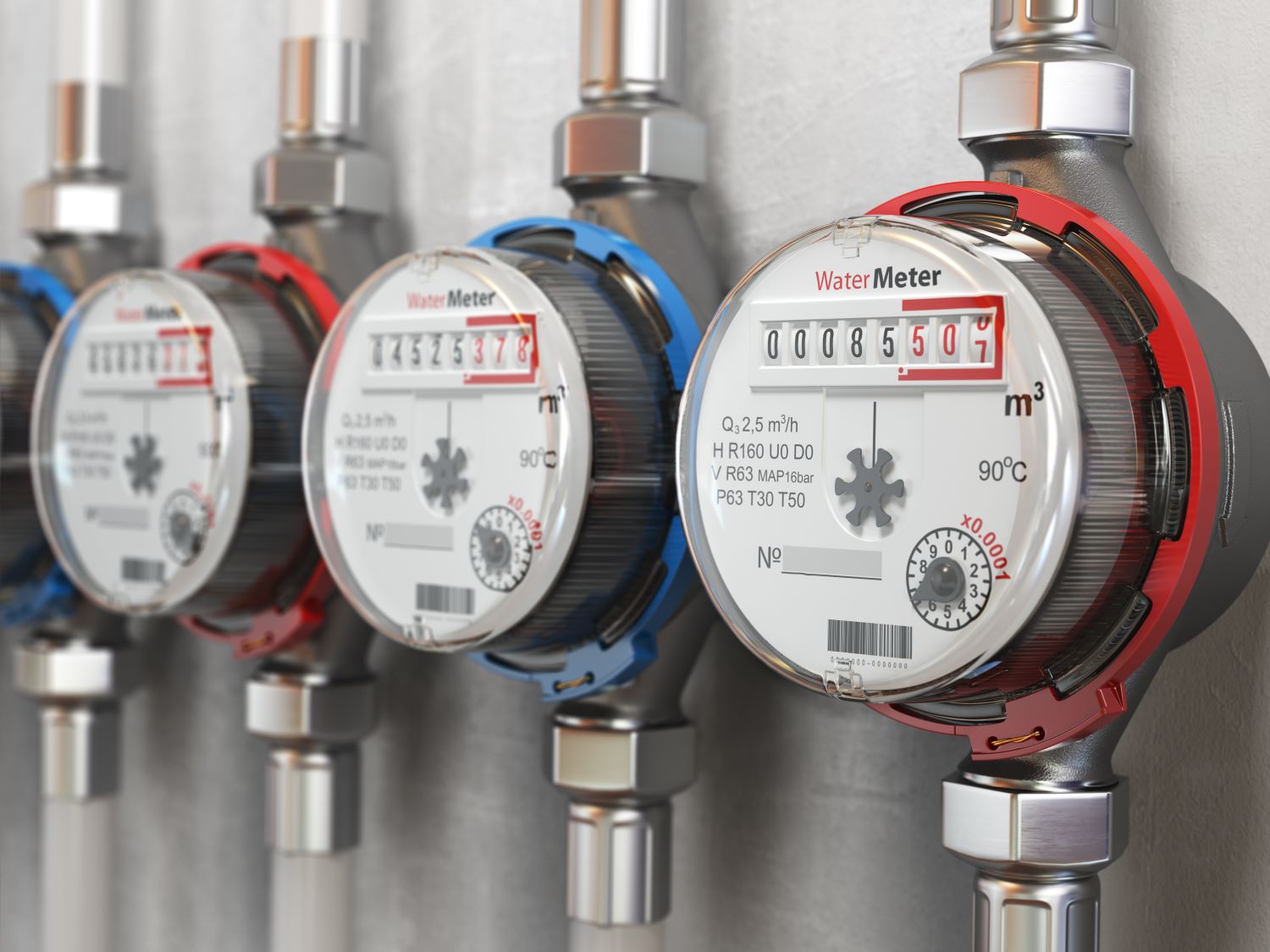
Detection of water usage, losses and overconsumption to identify optimization levers
In order to gain a clear overview of the company’s water situation, it is important to monitor its water consumption. A water audit is a key step in initiating an optimization process and adopting a circular and sustainable approach to water management.
To address the main questions before starting the project and to guide you through the various steps, it is recommended to consult a design office specialising in water. In any case, your sector representative (your chamber or federation) can also provide guidance and support.
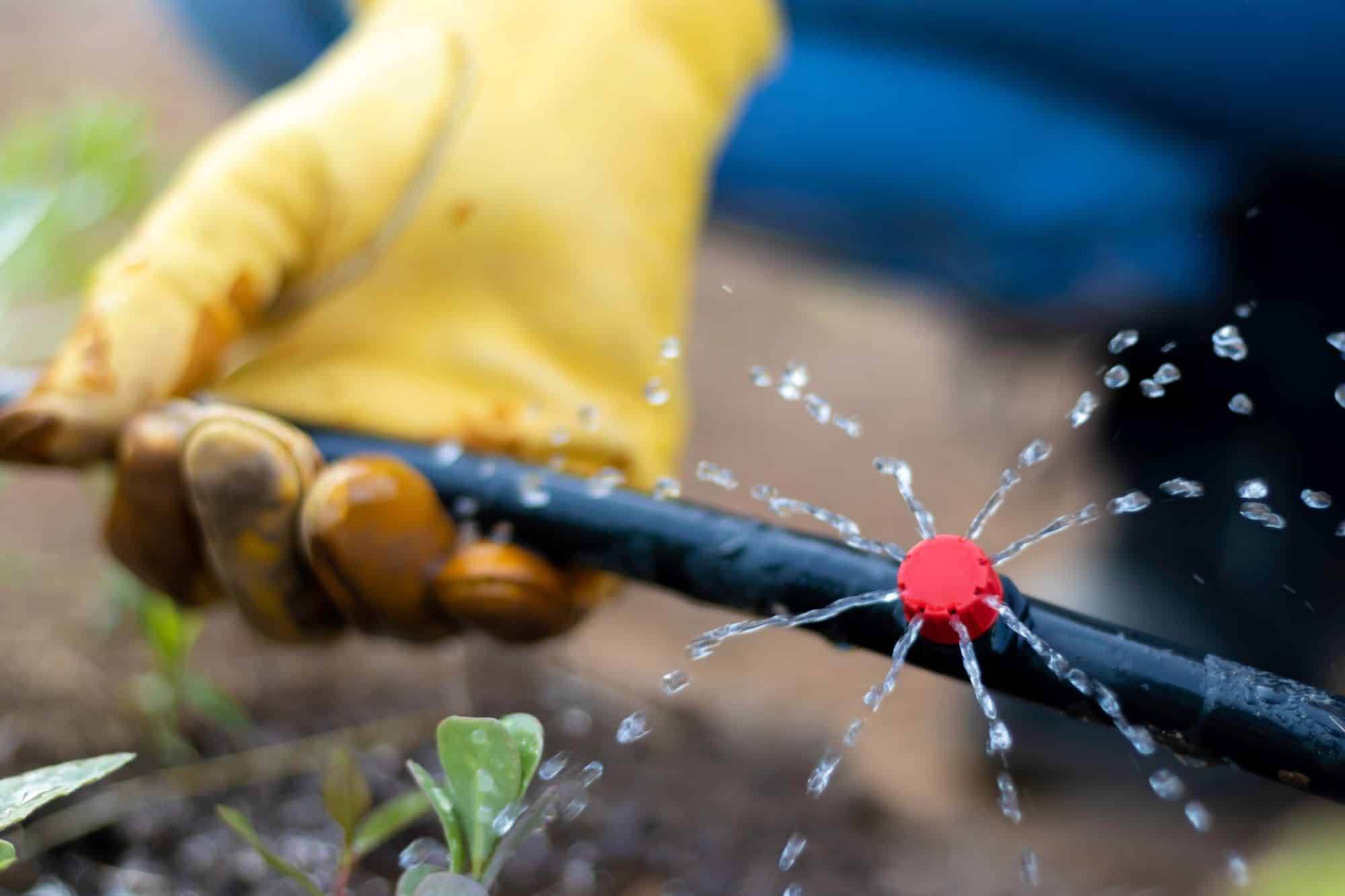
Managing water responsibly in company outdoor spaces
A responsible water management around company buildings is essential to reduce the environmental impact while optimising resources. By adapting landscaping and infrastructure, it is possible to preserve water resources in a sustainable way by maximising rainwater harvesting.
This measure combines water savings, biodiversity preservation and greater resilience to climate change.
Conducting a staff awareness campaign for the eco-responsible use of water
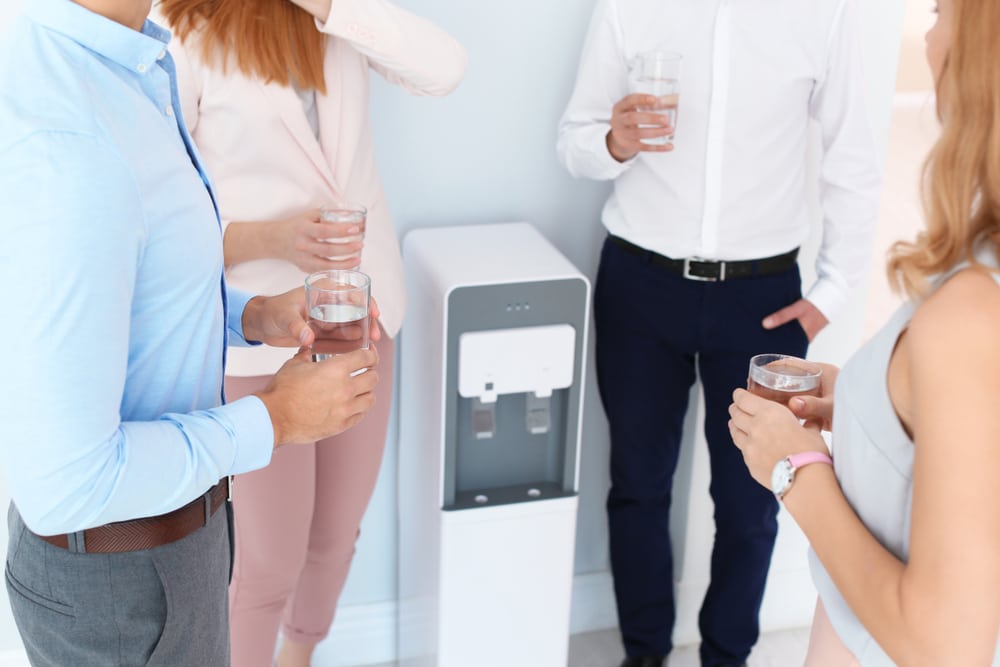
Deciding to commit to an eco-responsible water management policy in a company, or strengthening its actions in a sustainable manner in this area, requires the support and engagement of all employees.
Raising awareness is an important step in generating interest and motivating employees. It ensures that everyone understands the objectives and challenges involved, the role they have to play, and how they can contribute to the success of initiatives and the performance of actions implemented by their organisation.
This measure recommends strategies for the rational use of water in corporate facilities.
On average, water consumption per office employee is around:
30 to 40 l/day/employee
4 l/m2 of office space
These parameters are obviously highly dependent on the company’s business line, the facilities in the building and employee behaviour. Optimising water use in a building contributes to improving the environmental, economic, and functional sustainability of buildings.
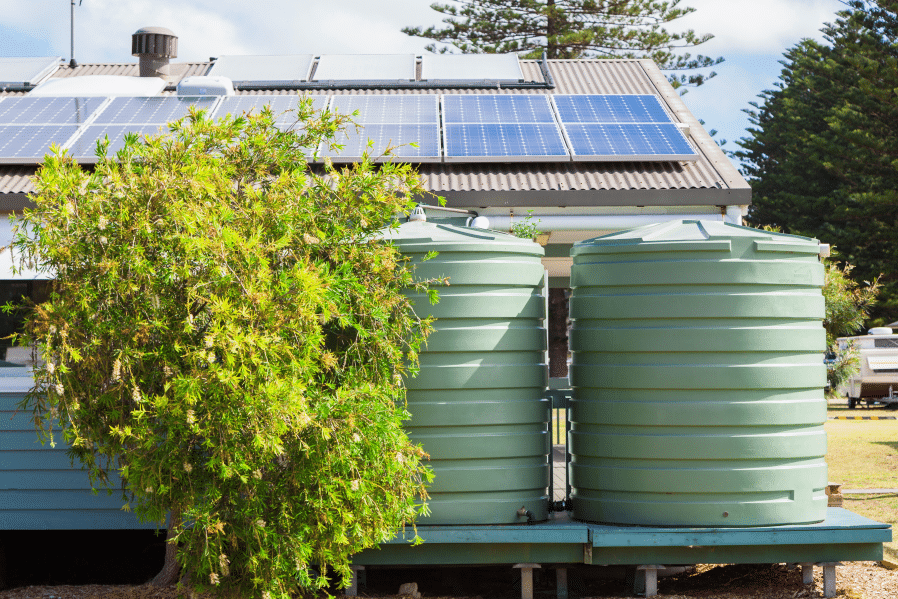
Faced with ever-dwindling water resources, using rainwater represents a responsible a sustainable choice. Rainwater is a sustainable resource that can be harnessed in many ways to reduce drinking water consumption and save money.
Implementing a rainwater harvesting system supports environmental objectives by offering an ecological and responsible alternative to conventional water use