Optimisation of machine tool operation via dynamic control systems
The operation involves using dynamic control systems in machine tools fitted with Computer Numerical Control (CNC). These systems allow the operating parameters of machine tools to be adjusted in real time to optimise their performance.
This regulation is made possible with various sensors: tool temperature sensors, vibration sensors and spindle load sensors. Dynamic control systems allow cutting parameters (cutting speeds, feed rate and cutting depth) to be optimised.
The measure can lead to some reduction in electricity consumption. The installation of this technological innovation is easy to implement but requires a production shutdown and would entail a medium- to long-term return on investment, thanks to the increased service life of the tools.
Sustainable and circular procurement is a process of acquiring goods or services which aims to maximise environmental, social and economic benefits throughout the life cycle.
By adopting sustainable and circular procurement practices, businesses contribute to a greener and more resilient economy. This also includes favouring, where possible, suppliers engaged in ecological and ethical practices, which reduces the overall environmental impact. This approach will help reduce acquisition costs in the long term as products last longer and are reused. In addition, it strengthens the company’s image by positioning it as a responsible player committed to protecting the environment and social values. By promoting these ethical and sustainable practices, companies also improve the resilience of their supply chain, making it less vulnerable to disruptions and fluctuations in resources.
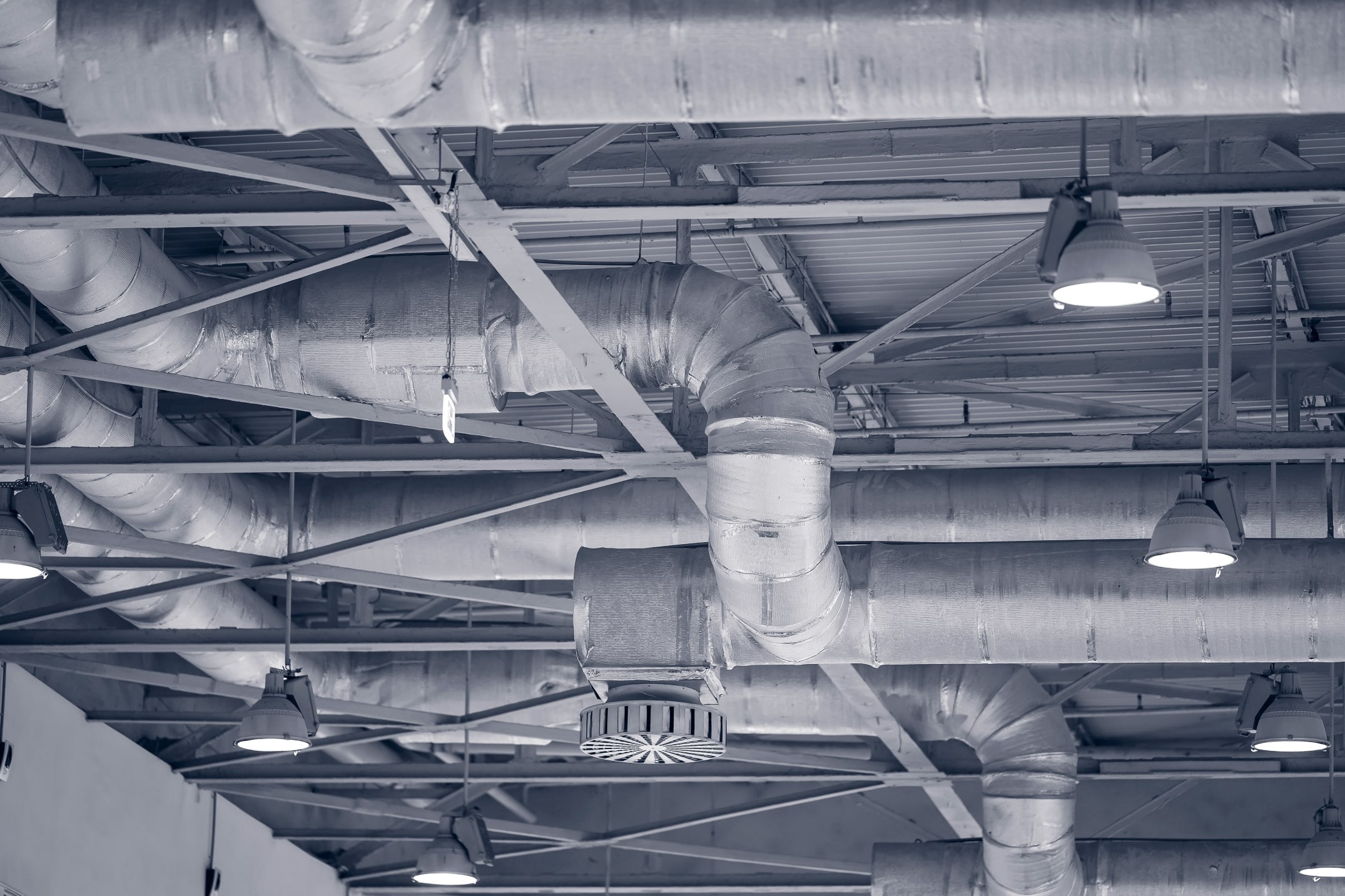
Installation or replacement of a centralised refrigerating system
Cold production is used to cool down a room or a component, preserve food products, control the temperature of a process or ensure proper air conditioning.
Installing a centralised refrigeration unit generally offers better efficiency than a decentralised installation, reduces noise and heat disturbance in occupied rooms and frees up space in the cooled area, as the equipment is installed in a dedicated room.
However, this solution requires a higher investment and the involvement of a qualified refrigeration technician. Below are all the necessary steps to prepare for the installation of a centralised refrigeration system.
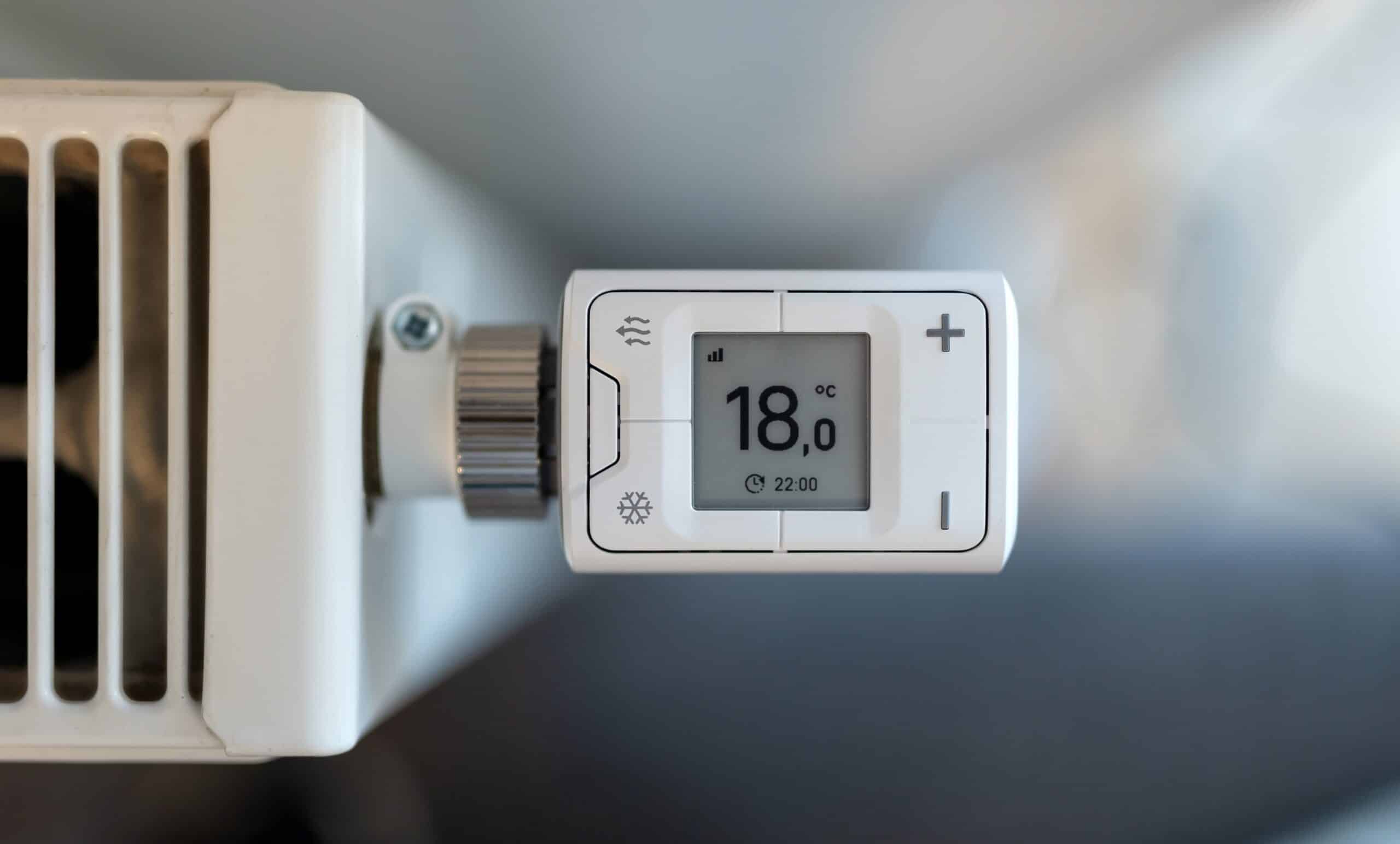
Effectively manage the temperature within buildings
The ambient temperature in the workplace is essential to ensure that employees feel comfortable and can work in optimal conditions. It should be adjusted according to the activities carried out on site.
Energy consumption for heating can fluctuate depending on the weather and due to air leaks in the building envelope, especially when it’s poorly or not insulated. For more information on ways to improve the building envelope, please refer to the measure Improving the energy efficiency of the building envelope
Improving one’s knowledge in the fields of energy and sustainability through targeted and professional training
Achieving an effective energy transition within a company and meeting sustainability goals depends not only on adopting new technologies, but above all on the active involvement of employees. Their daily behaviour, understanding of the issues, and proper use of equipment have a direct impact on the company’s energy and environmental performance.
To this end, it is essential to regularly engage in targeted training programmes tailored to the company’s specific needs, whether related to production activities, mobility, internal procedures, or overall business management.
Here is an overview of the types of training and contact points available in Luxembourg.
Calculating your carbon footprint allows you to draw up a comprehensive inventory of the direct and indirect greenhouse gas (GHG) emissions generated by your company’s activities. This assessment supports informed decision-making aimed at reducing emissions by identifying the main sources and priority areas for action. It also allows you to communicate this information transparently, whether to meet legal obligations or on a voluntary basis, in order to demonstrate the company’s actions and commitments.
Managing water responsibly in company outdoor spaces
A responsible water management around company buildings is essential to reduce the environmental impact while optimising resources. By adapting landscaping and infrastructure, it is possible to preserve water resources in a sustainable way by maximising rainwater harvesting.
This measure combines water savings, biodiversity preservation and greater resilience to climate change.
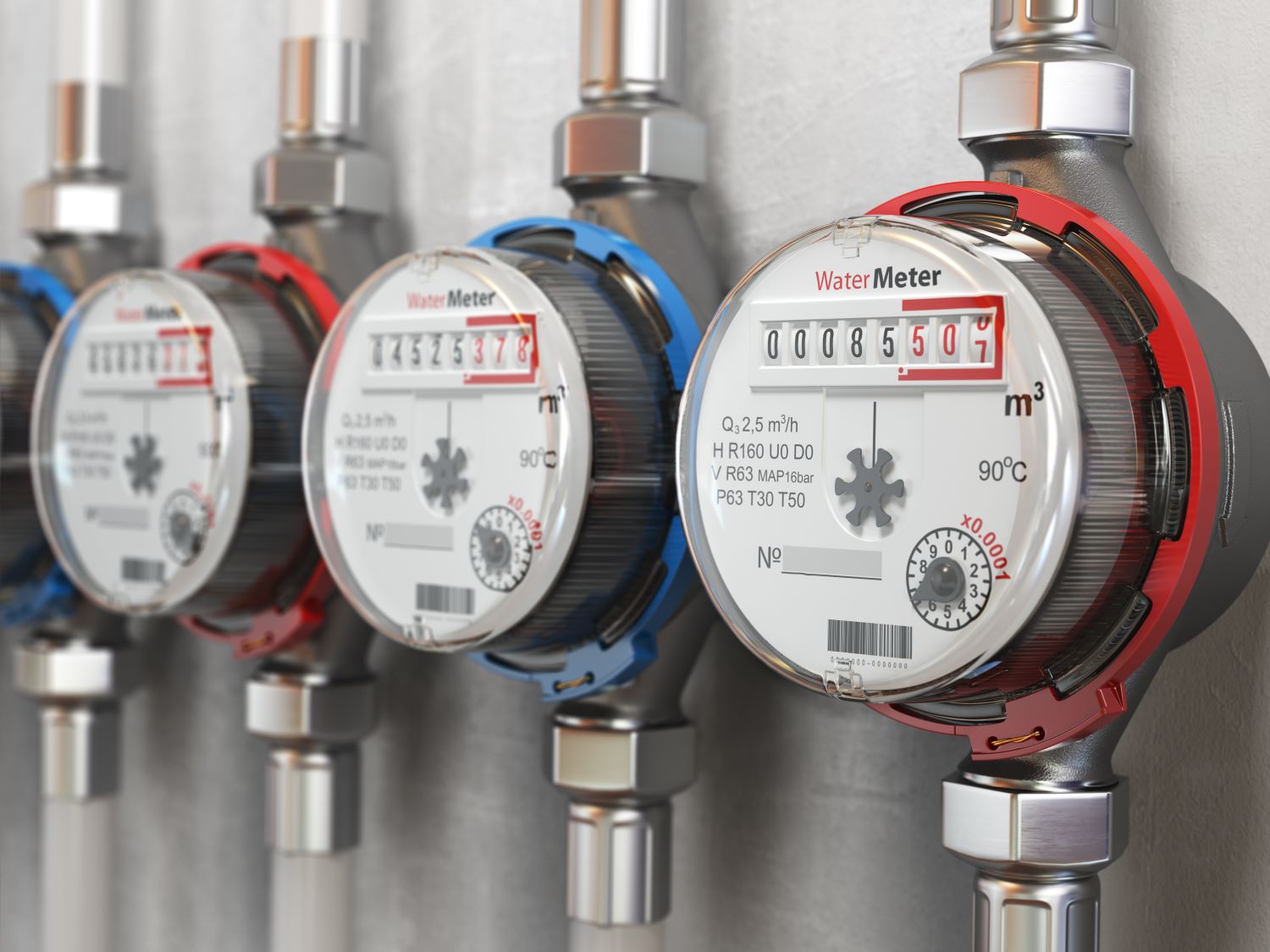
Detection of water usage, losses and overconsumption to identify optimization levers
In order to gain a clear overview of the company’s water situation, it is important to monitor its water consumption. A water audit is a key step in initiating an optimization process and adopting a circular and sustainable approach to water management.
To address the main questions before starting the project and to guide you through the various steps, it is recommended to consult a design office specialising in water. In any case, your sector representative (your chamber or federation) can also provide guidance and support.
Corporate responsibility for nature: creating wildlife friendly company premises
Company premises provide various opportunities to establish habitats for wildlife. Measures such as installing bird and bat boxes, placing insect hotels, or creating stone piles, deadwood areas, or small ponds require relatively little effort, but can contribute to structurally diverse habitats. Such additions complement any existing nature‑oriented landscaping (Mesure Nature-oriented design and management of green spaces) and significantly increase local biodiversity.
Not only do these measures contribute to species conservation, but they also improve ecological connectivity within urban areas by creating additional habitat structures (‘stepping‑stone biotopes’). Measures that are adapted to local site conditions and to the specific requirements of the local fauna are particularly effective.
Wildlife‑supporting initiatives provide additional advantages: they strengthen the company’s public image, improve customer perception, and increase the employees’ sense of identification with their workplace. The following article outlines the key steps to consider during planning and implementation.
Raising employee awareness for environmental protection – promoting awareness and strengthening responsibility
Nature and biodiversity measures in the commercial sector are most effective when they are clearly communicated and actively supported by employees, customers, and partners. Raising awareness means getting staff involved and informing them about the benefits of these initiatives. This can be done through internal workshops, informational materials, guided site tours, or dedicated action days.
Companies that communicate in a targeted and transparent way strengthen their role as responsible actors and can build trust among customers and the public. These measures can also be integrated into CSR strategies or sustainability reports.
Awareness‑raising is particularly effective when employees are actively involved in the design and implementation of measures. This could include, for example, tree‑planting activities, the creation of flowering strips, or the maintenance of nesting aids. Such involvement strengthens their identification with the company and helps anchor sustainable thinking in the long term.
The following sections outline the key steps to consider during planning and implementation