Carpentry: purchase of machine tools with an ECO mode
Energy
Craft Industry
Last update: 18/03/2026
Possibilité d’accompagnement
Subvention disponible
Solutions innovantes
To make this measure more effective and tailored to the specific context of your company, we recommend that you first perform an overall analysis of your energy situation.
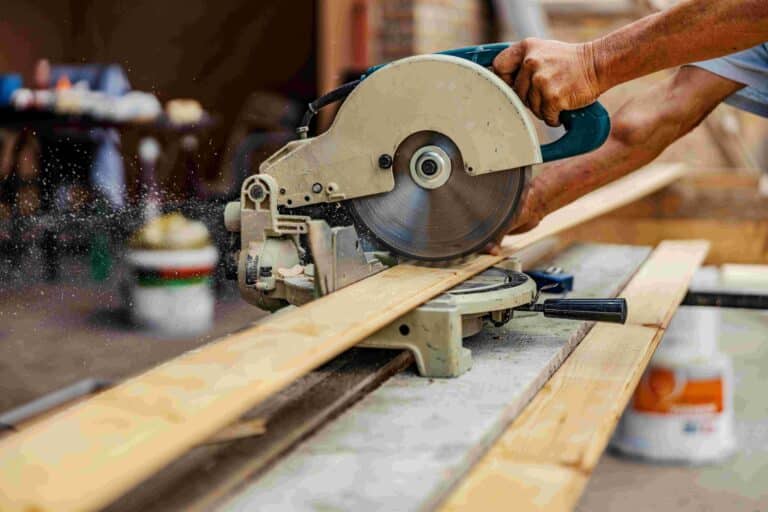
Some older machines do not have standby mode or energy-saving mode. Companies need to purchase new machines equipped with automatic shutdown functions to save money during periods when their equipment is not in use. Here are some examples of equipment requiring ECO mode: lubrication pumps, cooling fans, hydraulic pumps, servo motors and display standby (screens).
Installing this new technology can save businesses up to 5% on electricity consumption and reduce their carbon footprint. This measure is not easy to implement and cannot be justified by the cost of energy alone. This measure requires a temporary shutdown of production during installation.
Energy and environmental impact
Standby periods, when ancillary systems such as chips conveying, dust aspiration, the hydraulic unit, servo motor power supply, and control screens are shut down, help save energy.
Subsidy application
State subsidies
Please note: any application for government or non-government subsidies must comply with the “incentive effect”, subject to compliance with the subsidy conditions. To ensure that the incentive effect of the aid is respected, no binding commitments may be made (acceptance of a quote; advance)
Financial Aid for small and medium-sized enterprises covering up to 70% of eligible costs for the implementation of a project aimed at reducing the environmental impact. The eligible project budget must be in a range from 3.000 € to 25.000 € excl. VAT.
The law of 8 December 2025 on the renewal of the aid scheme for environmental and climate protection provides for the granting of investment aid to SMEs and large companies established in Luxembourg, with a business licence, and carrying out projects that contribute to environmental or climate protection. This aid supports investments aimed at improving energy efficiency outside buildings. It is intended for initiatives that either reduce energy consumption by at least 20% or achieve energy savings of at least 250 MWh per year.
The following maximum rates apply:
Activity
Company size
Small
Medium
Large
Energy efficiency outside buildings
25 %
20 %
15 %
Maximum rates for aid under Article 7
When equipment is added to an existing installation and there is no counterfactual investment that is less environmentally friendly, the aid rate shown in the table above is doubled. SMEs may receive aid upon request if they meet the conditions set out in Article 7 of this law, provided that the aid is less than €100,000 and more than €50,000. Large enterprises, as well as SMEs, will also be able to participate in regular calls for projects, which will be announced below when they become available. The General Directorate – State Aid and Company Financing will verify the eligibility of applications.
For support or questions regarding the process, please contact Luxinnovation.
A call for projects is open from 5 January 2026 to 30 June 2026 to support measures that promote energy efficiency outside buildings. This call will be conducted on a ‘first come, first served’ basis, i.e. aid will be granted in the order in which applications are received, until the €15 million budget is exhausted. No specifications have been published; only the conditions specified in the law of 8 December 2025 on the renewal of the environmental and climate protection aid scheme will apply.
N.B. While several state subsidies cannot be granted for the same project, they can be combined with assistance from energy suppliers.
Subsidies from electricity and natural gas suppliers
Since 2015, natural gas and electricity suppliers are required to make energy savings for consumers under the obligation scheme. Since then, energy suppliers have been offering support and advice, as well as subsidy programmes for consumers to implement energy efficiency measures. The amount of the premium is proportional to the annual energy saving (in MWh). The following suppliers offer this service for companies:


 Craft Industry