Corporate responsibility for nature: creating wildlife friendly company premises
Company premises provide various opportunities to establish habitats for wildlife. Measures such as installing bird and bat boxes, placing insect hotels, or creating stone piles, deadwood areas, or small ponds require relatively little effort, but can contribute to structurally diverse habitats. Such additions complement any existing nature‑oriented landscaping (Mesure Nature-oriented design and management of green spaces) and significantly increase local biodiversity.
Not only do these measures contribute to species conservation, but they also improve ecological connectivity within urban areas by creating additional habitat structures (‘stepping‑stone biotopes’). Measures that are adapted to local site conditions and to the specific requirements of the local fauna are particularly effective.
Wildlife‑supporting initiatives provide additional advantages: they strengthen the company’s public image, improve customer perception, and increase the employees’ sense of identification with their workplace. The following article outlines the key steps to consider during planning and implementation.
Raising employee awareness for environmental protection – promoting awareness and strengthening responsibility
Nature and biodiversity measures in the commercial sector are most effective when they are clearly communicated and actively supported by employees, customers, and partners. Raising awareness means getting staff involved and informing them about the benefits of these initiatives. This can be done through internal workshops, informational materials, guided site tours, or dedicated action days.
Companies that communicate in a targeted and transparent way strengthen their role as responsible actors and can build trust among customers and the public. These measures can also be integrated into CSR strategies or sustainability reports.
Awareness‑raising is particularly effective when employees are actively involved in the design and implementation of measures. This could include, for example, tree‑planting activities, the creation of flowering strips, or the maintenance of nesting aids. Such involvement strengthens their identification with the company and helps anchor sustainable thinking in the long term.
The following sections outline the key steps to consider during planning and implementation
Nature-oriented green spaces – a valuable contribution to biodiversity
Green spaces on company premises are not only an aesthetic feature but can also serve as a strategic asset: they support sustainability goals, enhance employee well-being, and strengthen the company’s public image.
Unused open spaces are typically managed through routine maintenance tasks such as mowing lawns or trimming hedges and trees. As a result, their potential to deliver substantial biodiversity benefits is frequently overlooked. Through nature‑oriented redesign, these areas can be transformed into valuable habitats for insects, birds, and small mammals while requiring considerably less maintenance. This lowers costs and strengthens the company’s ecological profile.
Ecologically designed outdoor spaces also improve the microclimate, promote soil fertility, and create attractive recreational areas for employees and visitors.
The following sections outline the key steps to consider during planning and implementation.
Nature‑based circulation areas: a contribution to biodiversity and climate adaptation
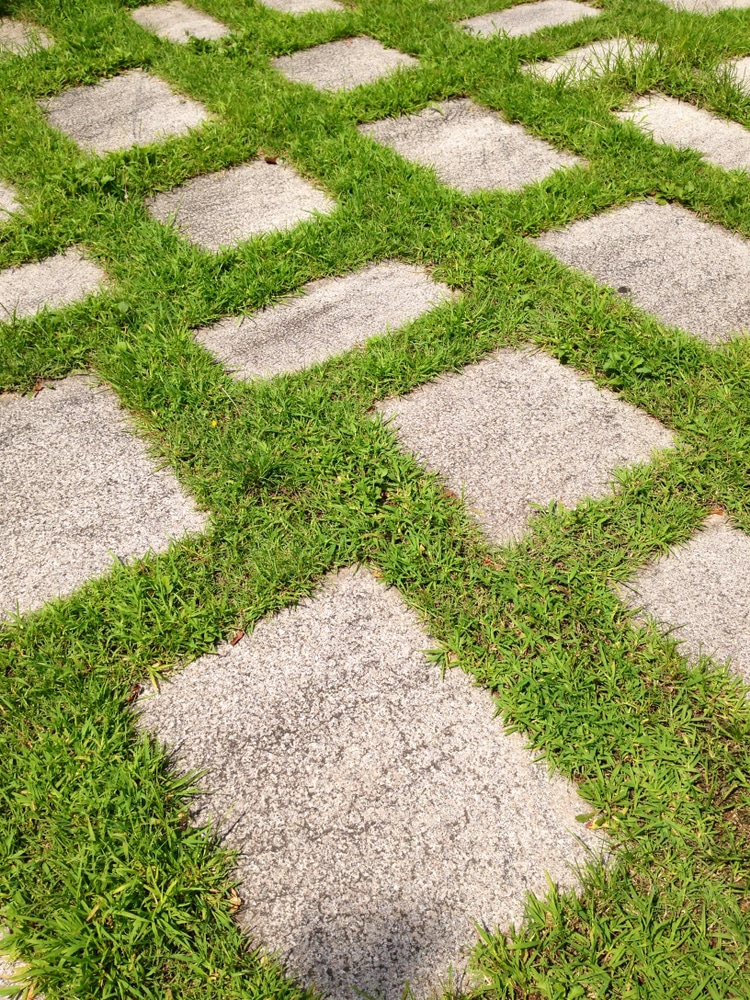
Many company premises are subject to high operational pressure and therefore often sealed beyond what is necessary. Paved areas such as parking lots, storage zones, and access routes contribute to heat buildup, reduce rainwater infiltration, and provide no ecological value.
By using permeable surfaces (e.g. grass pavers, gravel lawns, permeable paving with green joints, bound gravel surfaces) and integrating vegetation, these areas can be transformed into multi-functional green areas. These benefits include:
improved rainwater infiltration and reduced pressure on the sewage system,
fewer heat islands and improved local microclimate,
creation of additional habitats for plants and animals,
enhanced quality and visual improvement of outdoor spaces
increased lifespan of the surfaces due to reduced thermal stress.
The following sections outline the key steps to consider during planning and implementation.
Smart lighting concepts for company premises: saving energy and protecting nocturnal wildlife
Artificial light at night disturbs many animal species: insects are drawn to illuminated areas, bats avoid brightly lit zones, and birds can lose their orientation. Light pollution also affects humans, contributes to sleep disturbances, and unnecessarily increases energy consumption.
By implementing thoughtfully designed lighting concepts, companies can improve their environmental impact while cutting energy costs. Effective measures include installing motion or time controlled lighting, directing light towards the ground, choosing warm white, insect friendly LED lights, and reducing unnecessary lighting on parking areas, building façades, or advertising displays.
Through holistic lighting management, businesses can reduce expenses, maintain adequate safe conditions, and contribute to lowering light pollution at night.
The following sections outline the key steps to consider during planning and implementation
Green roofs and façades – creating habitats, protecting the climate
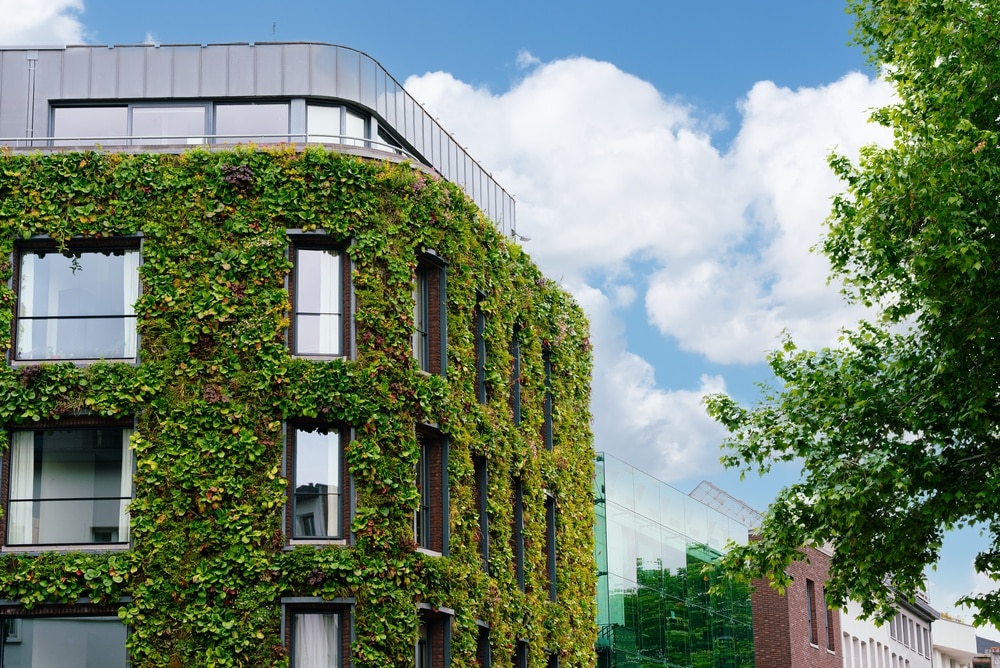
Green roofs and façades provide significant benefits to biodiversity, climate protection, and building efficiency. Simple green roofs with sedum plants are low‑maintenance and provide a valuable habitat for insects, while more diverse plantings with herbs and shrubs can create richer and more valuable biotopes.
Green façades deliver comparable environmental benefits including cooling buildings through evaporation, storing CO₂, filtering fine particles, and enhancing the local microclimate.
In addition to ecological benefits, green areas also provide economic advantages: they extend the lifespan of roof membranes, increase building efficiency through additional thermal insulation, and can be combined with solar installations.
Green buildings are generally also perceived as more attractive, healthier, and modern, offering added value for employees. When combined with rainwater retention measures, green roofs also contribute to reducing flood risks.
The following article outlines the key steps to consider during planning and implementation.